

No image published for this recall
Zejula (niraparib) - update on the maintenance treatment in recurrent ovarian, fallopian tube, or primary peritoneal cancer in the second or later line setting
Official notice
16 Feb 2023
Last checked
16 Feb 2023
An official Health Canada notice concerns Zejula (niraparib) - update on the maintenance treatment in recurrent ovarian, fallopian tube, or primary peritoneal cancer in the second or later line setting. Currently available data from the NOVA study, based on a data cut-off date of October 1, 2020, shows that the median OS may be lower with ZEJULA compared to placebo for patients in the overall non-gBRCAmut cohort and the non-gBRCAmut / Homologous Recombinant Deficient (HRd) subgroup. GSK has notified Health Canada of additional OS data that will be submitted. Health Canada will review all available OS data and further communicate if any actions are needed. Audience Healthcare professionals in Canada including medical oncologists, gynaecologic oncologists, chiefs of medicine in hospitals, pharmacists/pharmacies, nursing staff, and clinical investigators. Key messages Currently available data from the ENGOT-OV16/NOVA (NOVA) study is suggesting that median overall survival (OS) of patients treated with ZEJULA may be lower than expected in the non-gBRCAmut patient population. GlaxoSmithKline (GSK) has notified Health Canada that the company will be submitting updated OS data up to March 31, 2021. Health Canada will review all available OS data and further communicate if any actions are needed. At this time, there are no changes to the ZEJULA Product Monograph nor its approved indications in Canada. However, healthcare professionals are advised to: Consider the information currently available before initiating ZEJULA for maintenance treatment in patients with non-gBRCAmut recurrent ovarian, fallopian tube, or primary peritoneal cancer in the second or later line setting. Share this information with patients who may be affected to allow them to make an informed decision regarding their treatment plan. Background information ZEJULA (niraparib) is a poly (ADP-ribose) polymerase (PARP) inhibitor used as monotherapy for the maintenance treatment of adult patients with recurrent or advanced epithelial ovarian, fallopian tube, or primary peritoneal cancer who are in a complete or partial response to platinum-based chemotherapy. NOVA is a Phase III study conducted to evaluate the efficacy and safety of ZEJULA as maintenance treatment for patients with platinum-sensitive, recurrent ovarian cancer. The primary endpoint of progression free survival in the NOVA study was evaluated as two independent cohorts (gBRCAmut and non-gBRCAmut) and demonstrated the benefit of ZEJULA over placebo in delaying disease progression in all populations studied. The OS results, a secondary efficacy endpoint, based on the data cut-off date of October 1, 2020, are included below: In the gBRCAmut cohort (n=203), the median OS was 43.6 months for patients treated with ZEJULA compared to 41.6 months for patients on placebo (HR = 0.93 [95% CI 0.63, 1.36]). In the non-gBRCAmut cohort (n=350), the median OS was 31.1 months for patients treated with ZEJULA compared to 36.5 months for patients on placebo (HR = 1.10 [95% CI 0.83, 1.46]). Additionally, within the non-gBRCAmut cohort, an exploratory analysis of OS was performed for patients who were HRd, Homologous Recombinant Proficient (HRp) and patients whose homologous recombination status was not determined (HRnd). These results are summarized below: In the non-gBRCAmut/HRd subgroup (n=162), the median OS was 37.3 months for patients treated with ZEJULA compared to 41.4 months for patients on placebo (HR = 1.32 [95% CI 0.84, 2.06]). In the non-gBRCAmut/HRp subgroup (n=134) had a median OS of 27.9 months for patients treated with ZEJULA or placebo (HR = 1.06 [95% CI 0.67, 1.66]). In the non-gBRCAmut/HRnd subgroup (n=54) had a median OS of 30.7 months for patients treated with ZEJULA compared to 20.2 months for patients on placebo (HR = 0.60 [95% CI 0.26, 1.41]). The median OS may be lower with ZEJULA compared to placebo for patients in the overall non-gBRCAmut cohort and the non-gBRCAmut/HRd subgroup, suggesting a potential negative trend in survival in these populations. GSK has conducted a thorough review of the OS data from the NOVA study and, to date, no clear underlying reason has been identified to explain the observed results in this patient population. The analyses were initially conducted based on a data cut-off date of October 1, 2020. GSK has notified Health Canada that additional OS data up to March 31, 2021 will be submitted. Information for consumers ZEJULA is a type of drug called a PARP inhibitor. PARP inhibitors block a protein called poly [adenosine diphosphate-ribose] polymerase (PARP). This protein helps cells to repair their damaged DNA. Blocking PARP activity prevents the repair of damaged DNA in cancer cells, therefore, leading to cancer cell death. ZEJULA is indicated for the maintenance treatment of ovarian cancer, fallopian tube cancer, or primary peritoneal cancer (the membrane that lines the inside of the abdomen), including cases where the cancer has come back, in patients who have responded to platinum-based chemotherapy. Patients currently taking ZEJULA for these indications should contact their healthcare professional for more information. Information for healthcare professionals At this time, there are no changes to the ZEJULA Product Monograph nor its approved indications in Canada. However, healthcare professionals are advised to: Consider the information currently available before initiating ZEJULA for maintenance treatment in patients with non-gBRCAmut recurrent ovarian, fallopian tube, or primary peritoneal cancer in the second or later line setting. Share this information with patients who may be affected to allow them to make an informed decision regarding their treatment plan. Action taken by Health Canada Health Canada will review all available information that will be submitted by GSK and further communicate if any action is needed. Health Canada is communicating this important safety information to healthcare professionals and Canadians via the Recalls and Safety Alerts Database on the Healthy Canadians Web Site. This communication will be further distributed through the MedEffect™ e-Notice email notification system, as well as through social media channels, including LinkedIn and Twitter. Report health or safety concerns Health Canada’s ability to monitor the safety of marketed health products depends on healthcare professionals and consumers reporting adverse reactions and medical device incidents. Any serious or unexpected side effects in patients receiving ZEJULA should be reported to GlaxoSmithKline Inc. Or Health Canada. GlaxoSmithKline Inc. 100 Milverton Drive Suite 800 Mississauga, Ontario L5R 4H1 Tel: 1-800-387-7374 For more information, to correct your mailing address or fax number, contact GlaxoSmithKline Inc. 1-800-387-7374 You can report any suspected adverse reactions associated with the use of health products to Health Canada by: Calling toll-free at 1-866-234-2345; or Visiting MedEffect Canada's Web page on Adverse Reaction Reporting for information on how to report online, by mail or by fax. For other health product inquiries related to this communication, contact Health Canada at: Pharmaceutical Drugs Directorate E-mail: pharma_drug_enquiries-renseignements_medicaments_pharma@hc-sc.gc.ca Telephone: 613-957-0368 Fax: 613-952-7756 Original signed by Marni Freeman Country Medical Director, Canada GlaxoSmithKline Inc. Published 2023-02-16.
What to do now
Currently available data from the ENGOT-OV16/NOVA (NOVA) study is suggesting that median overall survival (OS) of patients treated with ZEJULA may be lower than expected in the non-gBRCAmut patient population. GlaxoSmithKline (GSK) has notified Health Canada that the company will be submitting updated OS data up to March 31, 2021. Health Canada will review all available OS data and further communicate if any actions are needed. At this time, there are no changes to the ZEJULA Product Monograph nor its approved indications in Canada. However, healthcare professionals are advised to: Consider the information currently available before initiating ZEJULA for maintenance treatment in patients with non-gBRCAmut recurrent ovarian, fallopian tube, or primary peritoneal cancer in the second or later line setting. Share this information with patients who may be affected to allow them to make an informed decision regarding their treatment plan. Consider the information currently available before initiating ZEJULA for maintenance treatment in patients with non-gBRCAmut recurrent ovarian, fallopian tube, or primary peritoneal cancer in the second or later line setting. Share this information with patients who may be affected to allow them to make an informed decision regarding their treatment plan.
Recall number
72726
Official notice
2023-02-16
The hazard
The hazard
Currently available data from the NOVA study, based on a data cut-off date of October 1, 2020, shows that the median OS may be lower with ZEJULA compared to placebo for patients in the overall non-gBRCAmut cohort and the non-gBRCAmut / Homologous Recombinant Deficient (HRd) subgroup. GSK has notified Health Canada of additional OS data that will be submitted. Health Canada will review all available OS data and further communicate if any actions are needed. Audience Healthcare professionals in Canada including medical oncologists, gynaecologic oncologists, chiefs of medicine in hospitals, pharmacists/pharmacies, nursing staff, and clinical investigators. Key messages Currently available data from the ENGOT-OV16/NOVA (NOVA) study is suggesting that median overall survival (OS) of patients treated with ZEJULA may be lower than expected in the non-gBRCAmut patient population. GlaxoSmithKline (GSK) has notified Health Canada that the company will be submitting updated OS data up to March 31, 2021. Health Canada will review all available OS data and further communicate if any actions are needed. At this time, there are no changes to the ZEJULA Product Monograph nor its approved indications in Canada. However, healthcare professionals are advised to: Consider the information currently available before initiating ZEJULA for maintenance treatment in patients with non-gBRCAmut recurrent ovarian, fallopian tube, or primary peritoneal cancer in the second or later line setting. Share this information with patients who may be affected to allow them to make an informed decision regarding their treatment plan. Background information ZEJULA (niraparib) is a poly (ADP-ribose) polymerase (PARP) inhibitor used as monotherapy for the maintenance treatment of adult patients with recurrent or advanced epithelial ovarian, fallopian tube, or primary peritoneal cancer who are in a complete or partial response to platinum-based chemotherapy. NOVA is a Phase III study conducted to evaluate the efficacy and safety of ZEJULA as maintenance treatment for patients with platinum-sensitive, recurrent ovarian cancer. The primary endpoint of progression free survival in the NOVA study was evaluated as two independent cohorts (gBRCAmut and non-gBRCAmut) and demonstrated the benefit of ZEJULA over placebo in delaying disease progression in all populations studied. The OS results, a secondary efficacy endpoint, based on the data cut-off date of October 1, 2020, are included below: In the gBRCAmut cohort (n=203), the median OS was 43.6 months for patients treated with ZEJULA compared to 41.6 months for patients on placebo (HR = 0.93 [95% CI 0.63, 1.36]). In the non-gBRCAmut cohort (n=350), the median OS was 31.1 months for patients treated with ZEJULA compared to 36.5 months for patients on placebo (HR = 1.10 [95% CI 0.83, 1.46]). Additionally, within the non-gBRCAmut cohort, an exploratory analysis of OS was performed for patients who were HRd, Homologous Recombinant Proficient (HRp) and patients whose homologous recombination status was not determined (HRnd). These results are summarized below: In the non-gBRCAmut/HRd subgroup (n=162), the median OS was 37.3 months for patients treated with ZEJULA compared to 41.4 months for patients on placebo (HR = 1.32 [95% CI 0.84, 2.06]). In the non-gBRCAmut/HRp subgroup (n=134) had a median OS of 27.9 months for patients treated with ZEJULA or placebo (HR = 1.06 [95% CI 0.67, 1.66]). In the non-gBRCAmut/HRnd subgroup (n=54) had a median OS of 30.7 months for patients treated with ZEJULA compared to 20.2 months for patients on placebo (HR = 0.60 [95% CI 0.26, 1.41]). The median OS may be lower with ZEJULA compared to placebo for patients in the overall non-gBRCAmut cohort and the non-gBRCAmut/HRd subgroup, suggesting a potential negative trend in survival in these populations. GSK has conducted a thorough review of the OS data from the NOVA study and, to date, no clear underlying reason has been identified to explain the observed results in this patient population. The analyses were initially conducted based on a data cut-off date of October 1, 2020. GSK has notified Health Canada that additional OS data up to March 31, 2021 will be submitted. Information for consumers ZEJULA is a type of drug called a PARP inhibitor. PARP inhibitors block a protein called poly [adenosine diphosphate-ribose] polymerase (PARP). This protein helps cells to repair their damaged DNA. Blocking PARP activity prevents the repair of damaged DNA in cancer cells, therefore, leading to cancer cell death. ZEJULA is indicated for the maintenance treatment of ovarian cancer, fallopian tube cancer, or primary peritoneal cancer (the membrane that lines the inside of the abdomen), including cases where the cancer has come back, in patients who have responded to platinum-based chemotherapy. Patients currently taking ZEJULA for these indications should contact their healthcare professional for more information. Information for healthcare professionals At this time, there are no changes to the ZEJULA Product Monograph nor its approved indications in Canada. However, healthcare professionals are advised to: Consider the information currently available before initiating ZEJULA for maintenance treatment in patients with non-gBRCAmut recurrent ovarian, fallopian tube, or primary peritoneal cancer in the second or later line setting. Share this information with patients who may be affected to allow them to make an informed decision regarding their treatment plan. Action taken by Health Canada Health Canada will review all available information that will be submitted by GSK and further communicate if any action is needed. Health Canada is communicating this important safety information to healthcare professionals and Canadians via the Recalls and Safety Alerts Database on the Healthy Canadians Web Site. This communication will be further distributed through the MedEffect™ e-Notice email notification system, as well as through social media channels, including LinkedIn and Twitter. Report health or safety concerns Health Canada’s ability to monitor the safety of marketed health products depends on healthcare professionals and consumers reporting adverse reactions and medical device incidents. Any serious or unexpected side effects in patients receiving ZEJULA should be reported to GlaxoSmithKline Inc. Or Health Canada. GlaxoSmithKline Inc. 100 Milverton Drive Suite 800 Mississauga, Ontario L5R 4H1 Tel: 1-800-387-7374 For more information, to correct your mailing address or fax number, contact GlaxoSmithKline Inc. 1-800-387-7374 You can report any suspected adverse reactions associated with the use of health products to Health Canada by: Calling toll-free at 1-866-234-2345; or Visiting MedEffect Canada's Web page on Adverse Reaction Reporting for information on how to report online, by mail or by fax. For other health product inquiries related to this communication, contact Health Canada at: Pharmaceutical Drugs Directorate E-mail: pharma_drug_enquiries-renseignements_medicaments_pharma@hc-sc.gc.ca Telephone: 613-957-0368 Fax: 613-952-7756 Original signed by Marni Freeman Country Medical Director, Canada GlaxoSmithKline Inc.
How to check if you're affected
How to check if you're affected
Compare the product name and identifiers below with the item you own. Follow the official notice if they match.
Recall Numbers
Checked manually this time?
The app alerts you when a new official recall is published — no searching, no checking back.
Turn on recall alertsAffected products
Affected products
Product 1
Risk / hazard
Where it was sold
Where it was sold
The source does not list specific retailers. See the official notice for where affected products were sold.
Location 1
Affected area 1
Company & contacts
Company & contacts
Brand: Zejula.
Source & status
Source & status
Source
Tier
Category
App estimate
Recall details
Recall details
Recall number
Source tier
Documents, notices & source
See the official notice and source documents for full details.
View full official noticeRelated recalls

Heartsine® samaritan® pad sam 350p sam 360p sam 500p - membrane tail
 23 Jul 2026
Hybrid hydrophilic microguidewire
Intramedullary bone saw blade assembly
Aisys, avance, and aespire anesthesia machines
Glidesheath slender® introducer sheath
Abiomed introducer kits with impella heart pumps
Infinion™ cx contact lead kit
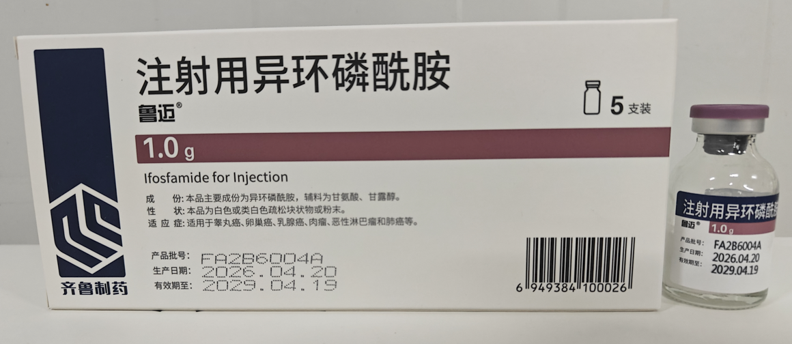 Image: Health Canada recall notice
Importation of chinese-authorized ifosfamide for injection due to the current shortage of canadian-authorized ifex (ifosfamide for injection)
Cyberknife® treatment delivery system
Penumbra system red 68 reperfusion catheter
Faradrive™ steerable sheath
Med-Rx wound care kit
Heartsine® samaritan® pad sam 350p sam 360p sam 500p - membrane tail
Weekly recall digest
Get next week's recalls before you need them.
One email every Monday — official-source recalls for your country, and nothing else. Unsubscribe from any email.
The digest is the slow lane — one email a week. For instant, severity-gated alerts the moment a notice is published, get the app.
This recall was published 16 Feb 2023. The next one won't wait for you to search.
RecallScope watches official sources for the brands and VINs you follow, and alerts you the moment a new notice is published.
