

No image published for this recall
The official notice did not include a photo. Check the product details and identifiers below.
No image published for this recall
Alecensaro (alectinib) and the risk of severe hypertriglyceridemia
Official notice
22 Apr 2026
An official Health Canada notice concerns Alecensaro (alectinib) and the risk of severe hypertriglyceridemia. Hypertriglyceridemia, including severe and life-threatening events, has been identified as an adverse reaction associated with ALECENSARO. Severe hypertriglyceridemia is considered a medical emergency, as it may lead to acute pancreatitis. Audience Healthcare professionals involved in the treatment of lung cancer, including medical oncologists, thoracic surgeons, surgical oncologists (Quebec), respirologists, oncology nurses, and oncology pharmacists. Key messages Hypertriglyceridemia, including severe and life-threatening events, has been identified as an adverse reaction associated with ALECENSARO (alectinib). Severe hypertriglyceridemia is considered a medical emergency, as it may lead to acute pancreatitis. Healthcare professionals are advised that: Patients should be counselled on the risks and benefits of ALECENSARO, including the risk of hypertriglyceridemia. Blood triglyceride levels should be measured at baseline before initiating ALECENSARO and periodically during treatment. Patients should be monitored for signs and symptoms of acute pancreatitis, especially those at increased risk. If an acute episode of pancreatitis occurs, ALECENSARO should be temporarily withheld until full recovery before resuming treatment. ALECENSARO should also be temporarily withheld in patients who develop severe or life-threatening hypertriglyceridemia until triglyceride levels recover to moderate levels (see the Information to healthcare professionals section). The Canadian Product Monograph for ALECENSARO will be updated to include this safety information. Background information ALECENSARO is indicated: for the first-line treatment of patients with anaplastic lymphoma kinase (ALK)-positive, locally advanced (not amenable to curative therapy) or metastatic non-small cell lung cancer (NSCLC). As monotherapy for the treatment of patients with ALK-positive, locally advanced (not amenable to curative therapy) or metastatic NSCLC who have progressed on or are intolerant to crizotinib. For adjuvant treatment following tumour resection for patients with stage IB (tumours ≥ 4 cm) to IIIA* ALK-positive NSCLC. *According to the American Joint Committee on Cancer [7th edition]. Cumulative data from clinical studies and post-marketing sources identified hypertriglyceridemia as a risk associated with ALECENSARO. Hypertriglyceridemia adverse events of any grade were reported in 4.3% of patients from pivotal clinical trials, and severe or life-threatening hypertriglyceridemia adverse events were reported in 1.5% of patients from these trials. The onset of severe or life-threatening hypertriglyceridemia adverse events ranged from 106 to 1001 days. Triglycerides were not consistently monitored in clinical trials. In 3 clinical trials in which triglycerides were measured, laboratory data showed increases from baseline, where the majority of shifts from baseline were from normal to grade 1 (150 mg/dL to 300 mg/dL; 1.71 mmol/L to 3.42 mmol/L); however, grade ≥3 laboratory elevations were also reported in these trials. Overall, observed cases of hypertriglyceridemia were mostly mild to moderate in severity. In the post-marketing setting, five medically confirmed severe to life-threatening cases of hypertriglyceridemia were reported internationally in patients treated with ALECENSARO. Three of these cases resulted in life-threatening pancreatitis, with all patients ultimately recovering following treatment. One of these cases demonstrated a positive rechallenge for life-threatening hypertriglyceridemia upon ALECENSARO resumption. The onset of these serious cases ranged from 6 weeks to 1 year after the start of ALECENSARO treatment. Information for consumers ALECENSARO (alectinib) is a prescription medicine used to treat non-small cell lung cancer in adults. ALECENSARO can cause high levels of triglycerides (a type of fat) in the blood. In some cases, very high triglyceride levels can be life‑threatening and may lead to acute pancreatitis (sudden inflammation of the pancreas), which is a medical emergency. Healthcare professionals should test their patients’ blood triglyceride levels before and during treatment with ALECENSARO. Patients should be monitored for signs of pancreatitis. Patients should stop taking ALECENSARO and seek immediate medical attention if they experience symptoms of pancreatitis, such as sudden, severe abdominal pain accompanied by nausea, vomiting, fast heart rate, fast breathing and/or fever. Patients should talk to their healthcare professional if they have any questions or concerns about this information. Information for health care professionals Healthcare professionals are advised that: Patients should be counselled on the risks and benefits of ALECENSARO, including the risk of hypertriglyceridemia. Blood triglyceride levels should be measured at baseline before initiating ALECENSARO and periodically during treatment. Patients should be monitored for signs and symptoms of acute pancreatitis, particularly those at increased risk for pancreatitis. If an acute episode of pancreatitis occurs, ALECENSARO should be temporarily withheld until full recovery before resuming treatment. ALECENSARO should also be temporarily withheld in patients who develop severe hypertriglyceridemia (blood triglycerides >500 to 1000 mg/dL or >5.7 to 11.4 mmol/L) or life-threatening hypertriglyceridemia (blood triglycerides >1000 mg/dL or >11.4 mmol/L) until triglyceride levels recover to ≤500 mg/dL or ≤5.7 mmol/L. In these patients, risk factors for pancreatitis should be evaluated, and modifiable risk factors should be addressed before resuming treatment with ALECENSARO. ALECENSARO may be resumed at the same dose, with regular triglyceride monitoring. Action taken by Health Canada Health Canada, in collaboration with Hoffmann-La Roche Limited, will update the Canadian Product Monograph for ALECENSARO to include this new safety information. Health Canada is communicating this important safety information to healthcare professionals and Canadians via the Recalls and Safety Alerts Database on the Healthy Canadians Web Site. This communication will be further distributed through the MedEffect™ e-Notice email notification system. Report health or safety concerns Managing marketed health product-related side effects depends on health care professionals and consumers reporting them. Any case of hypertriglyceridemia or other serious or unexpected side effects in patients receiving ALECENSARO should be reported to Hoffmann-La Roche Limited or Health Canada. Hoffmann-La Roche Limited Medical Information Department 7070 Mississauga Road Mississauga, Ontario, L5N 5M8 Toll free: 1-888-762-4388 Fax: 905-542-5864 E-mail: mississauga.canada_medinfo@roche.com To correct your mailing address or fax number, contact Hoffmann-La Roche Limited. You can report any suspected adverse reactions associated with the use of health products to Health Canada by: Calling toll-free at 1-866-234-2345; or Visiting MedEffect Canada's Web page on Adverse Reaction Reporting for information on how to report online, by mail or by fax. For other health product inquiries related to this communication, contact Health Canada at: Marketed Health Products Directorate E-mail: mhpd-dpsc@hc-sc.gc.ca Telephone: 613-954-6522 Fax: 613-952-7738 Original signed by Daniel P. Edgcumbe, MB BChir Vice President, Medical & Regulatory Affairs Hoffmann-La Roche Limited Published 2026-04-22.
What to do now
Hypertriglyceridemia, including severe and life-threatening events, has been identified as an adverse reaction associated with ALECENSARO (alectinib). Severe hypertriglyceridemia is considered a medical emergency, as it may lead to acute pancreatitis. Healthcare professionals are advised that: Patients should be counselled on the risks and benefits of ALECENSARO, including the risk of hypertriglyceridemia. Blood triglyceride levels should be measured at baseline before initiating ALECENSARO and periodically during treatment. Patients should be monitored for signs and symptoms of acute pancreatitis, especially those at increased risk. If an acute episode of pancreatitis occurs, ALECENSARO should be temporarily withheld until full recovery before resuming treatment. ALECENSARO should also be temporarily withheld in patients who develop severe or life-threatening hypertriglyceridemia until triglyceride levels recover to moderate levels (see the Information to healthcare professionals section). Patients should be counselled on the risks and benefits of ALECENSARO, including the risk of hypertriglyceridemia. Blood triglyceride levels should be measured at baseline before initiating ALECENSARO and periodically during treatment. Patients should be monitored for signs and symptoms of acute pancreatitis, especially those at increased risk. If an acute episode of pancreatitis occurs, ALECENSARO should be temporarily withheld until full recovery before resuming treatment. ALECENSARO should also be temporarily withheld in patients who develop severe or life-threatening hypertriglyceridemia until triglyceride levels recover to moderate levels (see the Information to healthcare professionals section). The Canadian Product Monograph for ALECENSARO will be updated to include this safety information.
Recall number
81909
Official notice
2026-04-22
The hazard
The hazard
Hypertriglyceridemia, including severe and life-threatening events, has been identified as an adverse reaction associated with ALECENSARO. Severe hypertriglyceridemia is considered a medical emergency, as it may lead to acute pancreatitis. Audience Healthcare professionals involved in the treatment of lung cancer, including medical oncologists, thoracic surgeons, surgical oncologists (Quebec), respirologists, oncology nurses, and oncology pharmacists. Key messages Hypertriglyceridemia, including severe and life-threatening events, has been identified as an adverse reaction associated with ALECENSARO (alectinib). Severe hypertriglyceridemia is considered a medical emergency, as it may lead to acute pancreatitis. Healthcare professionals are advised that: Patients should be counselled on the risks and benefits of ALECENSARO, including the risk of hypertriglyceridemia. Blood triglyceride levels should be measured at baseline before initiating ALECENSARO and periodically during treatment. Patients should be monitored for signs and symptoms of acute pancreatitis, especially those at increased risk. If an acute episode of pancreatitis occurs, ALECENSARO should be temporarily withheld until full recovery before resuming treatment. ALECENSARO should also be temporarily withheld in patients who develop severe or life-threatening hypertriglyceridemia until triglyceride levels recover to moderate levels (see the Information to healthcare professionals section). The Canadian Product Monograph for ALECENSARO will be updated to include this safety information. Background information ALECENSARO is indicated: for the first-line treatment of patients with anaplastic lymphoma kinase (ALK)-positive, locally advanced (not amenable to curative therapy) or metastatic non-small cell lung cancer (NSCLC). As monotherapy for the treatment of patients with ALK-positive, locally advanced (not amenable to curative therapy) or metastatic NSCLC who have progressed on or are intolerant to crizotinib. For adjuvant treatment following tumour resection for patients with stage IB (tumours ≥ 4 cm) to IIIA* ALK-positive NSCLC. *According to the American Joint Committee on Cancer [7th edition]. Cumulative data from clinical studies and post-marketing sources identified hypertriglyceridemia as a risk associated with ALECENSARO. Hypertriglyceridemia adverse events of any grade were reported in 4.3% of patients from pivotal clinical trials, and severe or life-threatening hypertriglyceridemia adverse events were reported in 1.5% of patients from these trials. The onset of severe or life-threatening hypertriglyceridemia adverse events ranged from 106 to 1001 days. Triglycerides were not consistently monitored in clinical trials. In 3 clinical trials in which triglycerides were measured, laboratory data showed increases from baseline, where the majority of shifts from baseline were from normal to grade 1 (150 mg/dL to 300 mg/dL; 1.71 mmol/L to 3.42 mmol/L); however, grade ≥3 laboratory elevations were also reported in these trials. Overall, observed cases of hypertriglyceridemia were mostly mild to moderate in severity. In the post-marketing setting, five medically confirmed severe to life-threatening cases of hypertriglyceridemia were reported internationally in patients treated with ALECENSARO. Three of these cases resulted in life-threatening pancreatitis, with all patients ultimately recovering following treatment. One of these cases demonstrated a positive rechallenge for life-threatening hypertriglyceridemia upon ALECENSARO resumption. The onset of these serious cases ranged from 6 weeks to 1 year after the start of ALECENSARO treatment. Information for consumers ALECENSARO (alectinib) is a prescription medicine used to treat non-small cell lung cancer in adults. ALECENSARO can cause high levels of triglycerides (a type of fat) in the blood. In some cases, very high triglyceride levels can be life‑threatening and may lead to acute pancreatitis (sudden inflammation of the pancreas), which is a medical emergency. Healthcare professionals should test their patients’ blood triglyceride levels before and during treatment with ALECENSARO. Patients should be monitored for signs of pancreatitis. Patients should stop taking ALECENSARO and seek immediate medical attention if they experience symptoms of pancreatitis, such as sudden, severe abdominal pain accompanied by nausea, vomiting, fast heart rate, fast breathing and/or fever. Patients should talk to their healthcare professional if they have any questions or concerns about this information. Information for health care professionals Healthcare professionals are advised that: Patients should be counselled on the risks and benefits of ALECENSARO, including the risk of hypertriglyceridemia. Blood triglyceride levels should be measured at baseline before initiating ALECENSARO and periodically during treatment. Patients should be monitored for signs and symptoms of acute pancreatitis, particularly those at increased risk for pancreatitis. If an acute episode of pancreatitis occurs, ALECENSARO should be temporarily withheld until full recovery before resuming treatment. ALECENSARO should also be temporarily withheld in patients who develop severe hypertriglyceridemia (blood triglycerides >500 to 1000 mg/dL or >5.7 to 11.4 mmol/L) or life-threatening hypertriglyceridemia (blood triglycerides >1000 mg/dL or >11.4 mmol/L) until triglyceride levels recover to ≤500 mg/dL or ≤5.7 mmol/L. In these patients, risk factors for pancreatitis should be evaluated, and modifiable risk factors should be addressed before resuming treatment with ALECENSARO. ALECENSARO may be resumed at the same dose, with regular triglyceride monitoring. Action taken by Health Canada Health Canada, in collaboration with Hoffmann-La Roche Limited, will update the Canadian Product Monograph for ALECENSARO to include this new safety information. Health Canada is communicating this important safety information to healthcare professionals and Canadians via the Recalls and Safety Alerts Database on the Healthy Canadians Web Site. This communication will be further distributed through the MedEffect™ e-Notice email notification system. Report health or safety concerns Managing marketed health product-related side effects depends on health care professionals and consumers reporting them. Any case of hypertriglyceridemia or other serious or unexpected side effects in patients receiving ALECENSARO should be reported to Hoffmann-La Roche Limited or Health Canada. Hoffmann-La Roche Limited Medical Information Department 7070 Mississauga Road Mississauga, Ontario, L5N 5M8 Toll free: 1-888-762-4388 Fax: 905-542-5864 E-mail: mississauga.canada_medinfo@roche.com To correct your mailing address or fax number, contact Hoffmann-La Roche Limited. You can report any suspected adverse reactions associated with the use of health products to Health Canada by: Calling toll-free at 1-866-234-2345; or Visiting MedEffect Canada's Web page on Adverse Reaction Reporting for information on how to report online, by mail or by fax. For other health product inquiries related to this communication, contact Health Canada at: Marketed Health Products Directorate E-mail: mhpd-dpsc@hc-sc.gc.ca Telephone: 613-954-6522 Fax: 613-952-7738 Original signed by Daniel P. Edgcumbe, MB BChir Vice President, Medical & Regulatory Affairs Hoffmann-La Roche Limited
How to check if you're affected
How to check if you're affected
Compare the product name and identifiers below with the item you own. Follow the official notice if they match.
Other
Recall Numbers
Checked manually this time?
The app alerts you when a new official recall is published — no searching, no checking back.
Turn on recall alertsAffected products
Affected products
Product 1
Risk / hazard
Where it was sold
Where it was sold
The source does not list specific retailers. See the official notice for where affected products were sold.
Location 1
Affected area 1
Affected area 2
Company & contacts
Company & contacts
Brand: Alecensaro.
Source & status
Source & status
Source
Tier
Category
App estimate
Recall details
Recall details
Recall number
Source tier
Documents, notices & source
See the official notice and source documents for full details.
View full official noticeRelated recalls

No image published for this recall
The official notice did not include a photo. Check the product details and identifiers below.
Heartsine® samaritan® pad sam 350p sam 360p sam 500p - membrane tail
Brand match
Medium risk
Markets

No image published for this recall
The official notice did not include a photo. Check the product details and identifiers below.
Hotline IV fluid warmer system & accessories
Brand match
High risk
Markets
No image published for this recall
The official notice did not include a photo. Check the product details and identifiers below.
Intramedullary bone saw blade assembly
Brand match
Medium risk
Markets
No image published for this recall
The official notice did not include a photo. Check the product details and identifiers below.
Glidesheath slender® introducer sheath
Brand match
Medium risk
Markets
No image published for this recall
The official notice did not include a photo. Check the product details and identifiers below.
Abiomed introducer kits with impella heart pumps
Brand match
High risk
Markets
No image published for this recall
The official notice did not include a photo. Check the product details and identifiers below.
Infinion™ cx contact lead kit
Brand match
Critical risk
Markets
No image published for this recall
The official notice did not include a photo. Check the product details and identifiers below.
Hoffmann® ii carbon connecting rod
Brand match
Medium risk
Markets
 Medium
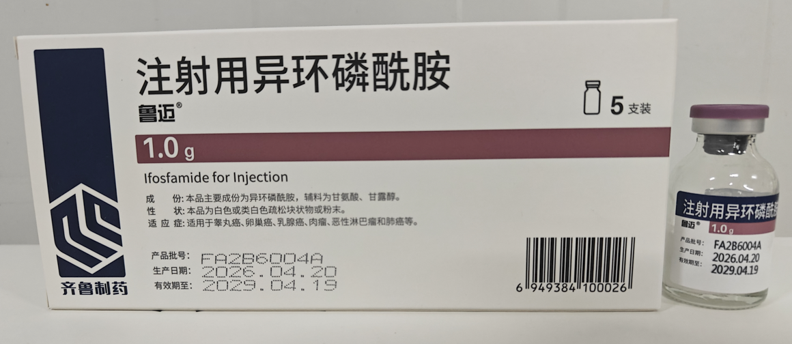
Importation of chinese-authorized ifosfamide for injection due to the current shortage of canadian-authorized ifex (ifosfamide for injection)
Brand match
Medium risk
Markets
No image published for this recall
The official notice did not include a photo. Check the product details and identifiers below.
Cyberknife® treatment delivery system
Brand match
Medium risk
Markets
No image published for this recall
The official notice did not include a photo. Check the product details and identifiers below.
Penumbra system red 68 reperfusion catheter
Brand match
Critical risk
Markets
No image published for this recall
The official notice did not include a photo. Check the product details and identifiers below.
Faradrive™ steerable sheath
Brand match
Medium risk
Markets
No image published for this recall
The official notice did not include a photo. Check the product details and identifiers below.
Bd maxplus ™ connector minibore extension set
Brand match
High risk
Markets
No image published for this recall
The official notice did not include a photo. Check the product details and identifiers below.
Heartsine® samaritan® pad sam 350p sam 360p sam 500p - membrane tail
Brand match
Medium risk
Markets
No image published for this recall
The official notice did not include a photo. Check the product details and identifiers below.
Hotline IV fluid warmer system & accessories
Brand match
High risk
Markets
No image published for this recall
The official notice did not include a photo. Check the product details and identifiers below.
Intramedullary bone saw blade assembly
Brand match
Medium risk
Markets
No image published for this recall
The official notice did not include a photo. Check the product details and identifiers below.
Glidesheath slender® introducer sheath
Brand match
Medium risk
Markets
No image published for this recall
The official notice did not include a photo. Check the product details and identifiers below.
Abiomed introducer kits with impella heart pumps
Brand match
High risk
Markets
No image published for this recall
The official notice did not include a photo. Check the product details and identifiers below.
Infinion™ cx contact lead kit
Brand match
Critical risk
Markets
No image published for this recall
The official notice did not include a photo. Check the product details and identifiers below.
Hoffmann® ii carbon connecting rod
Brand match
Medium risk
Markets
MediumImportation of chinese-authorized ifosfamide for injection due to the current shortage of canadian-authorized ifex (ifosfamide for injection)
Brand match
Medium risk
Markets
No image published for this recall
The official notice did not include a photo. Check the product details and identifiers below.
Cyberknife® treatment delivery system
Brand match
Medium risk
Markets
No image published for this recall
The official notice did not include a photo. Check the product details and identifiers below.
Penumbra system red 68 reperfusion catheter
Brand match
Critical risk
Markets
Weekly recall digest
Get next week's recalls before you need them.
One email every Monday — official-source recalls for your country, and nothing else. Unsubscribe from any email.
The digest is the slow lane — one email a week. For instant, severity-gated alerts the moment a notice is published, get the app.
This recall was published 22 Apr 2026. The next one won't wait for you to search.
RecallScope watches official sources for the brands and VINs you follow, and alerts you the moment a new notice is published.
